
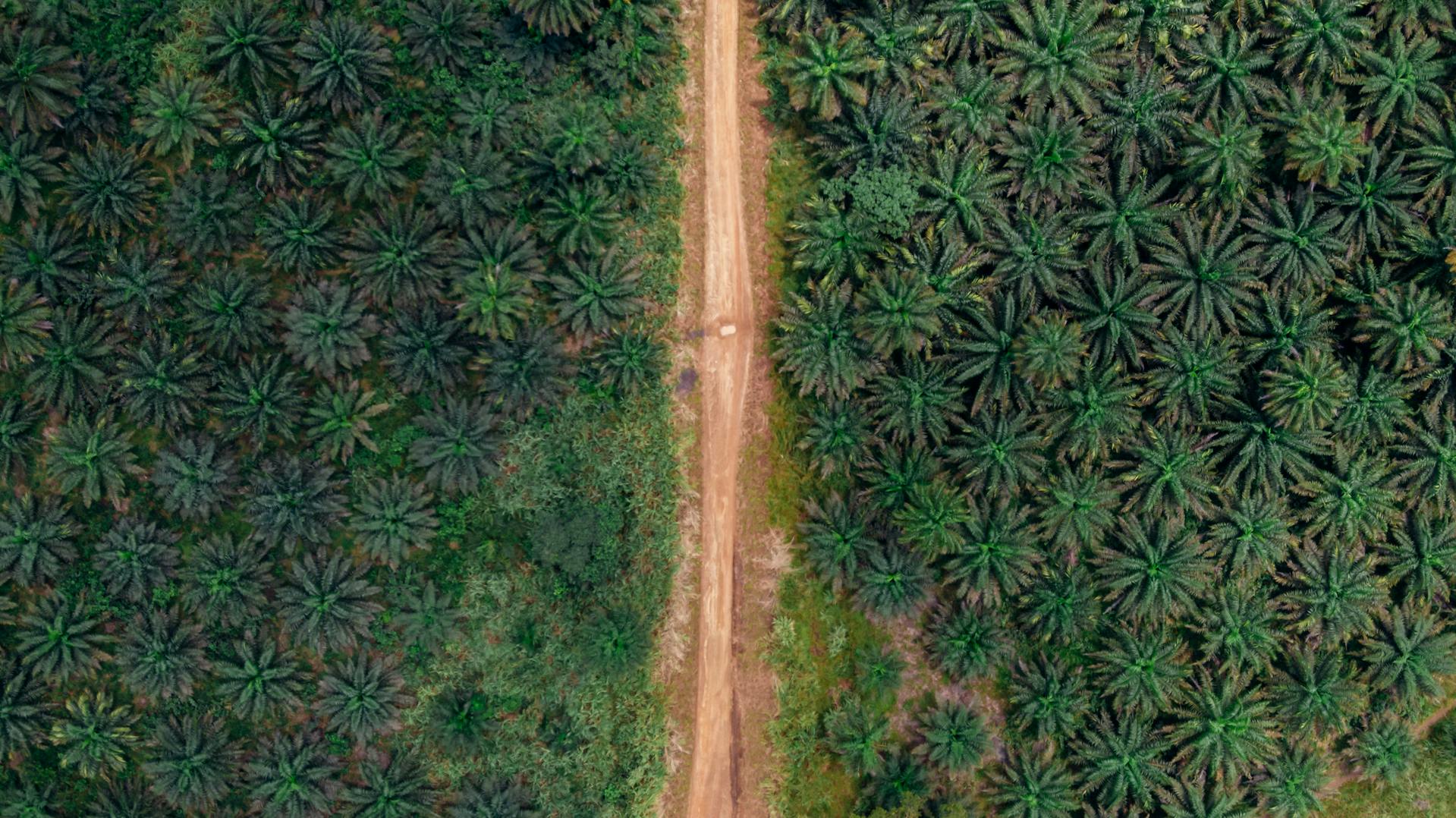
| Total Posts (16)
Frequently Asked Questions
1. What is agroforestry and how does it benefit my farm?
Agroforestry is the practice of integrating trees and shrubs into crop and livestock systems. It improves soil fertility, reduces erosion, enhances biodiversity, and can provide additional income through timber, fruits, or medicinal plants.
2. How do agroforestry services help small-scale farmers?
Agroforestry services offer expert guidance on tree-crop combinations, planting schedules, and soil management. This support helps farmers maximize yields, diversify income sources, and maintain long-term land health.
3. What types of agroforestry systems are commonly used?
Common systems include alley cropping (trees planted between crops), silvopasture (trees combined with livestock grazing), and forest farming (cultivating crops under a managed tree canopy).
4. Can agroforestry improve soil fertility naturally?
Yes. Trees fix nitrogen, improve organic matter, and reduce nutrient loss, which enriches the soil without relying heavily on chemical fertilizers.
5. How much space do I need for agroforestry on my farm?
Even small plots can benefit. Agroforestry can be adapted to the scale of your farm, from small homesteads to large commercial farms, by carefully planning tree spacing and crop placement.
6. Are there financial incentives for adopting agroforestry?
In many regions, governments and NGOs provide grants, subsidies, or technical support to encourage sustainable farming practices like agroforestry, helping offset initial costs.
7. How long does it take to see results from agroforestry?
Some benefits, like soil improvement and shade, appear within a year, while income from timber or certain tree crops may take several years. Planning for both short-term and long-term gains is key.
8. What kind of maintenance is required for an agroforestry system?
Maintenance varies depending on the system, but typically includes pruning, pest management, and monitoring tree-crop interactions. Services often provide guidance to minimize effort and maximize productivity.
9. Can agroforestry help fight climate change?
Absolutely. Trees sequester carbon, reduce greenhouse gas emissions from soils, and improve resilience against extreme weather, making agroforestry a sustainable choice for the environment.
10. How do I start implementing agroforestry on my farm?
The first step is consulting with agroforestry experts to assess your land, choose suitable tree species, and design a planting plan. Professional services can provide full support, from planning to ongoing management.a
Search
Related Posts
-
 Miasto: Bangalore
 -
 Miasto: Bangalore
 -
 Miasto: Bangalore
 -
 Miasto: Bangalore
 -
 Miasto: Bangalore
 -
 Miasto: Bangalore
 -
 Miasto: Bangalore
 -
 Miasto: Bangalore
 -
 Miasto: Bangalore
 -
 Miasto: Chitradurga
 -
 Miasto: Bangalore
 -
 Miasto: Bangalore
 -
 Miasto: Bangalore
 -
 Miasto: Bangalore