
| Total Posts (21)
Frequently Asked Questions
1. What is organic farming and why is it important?
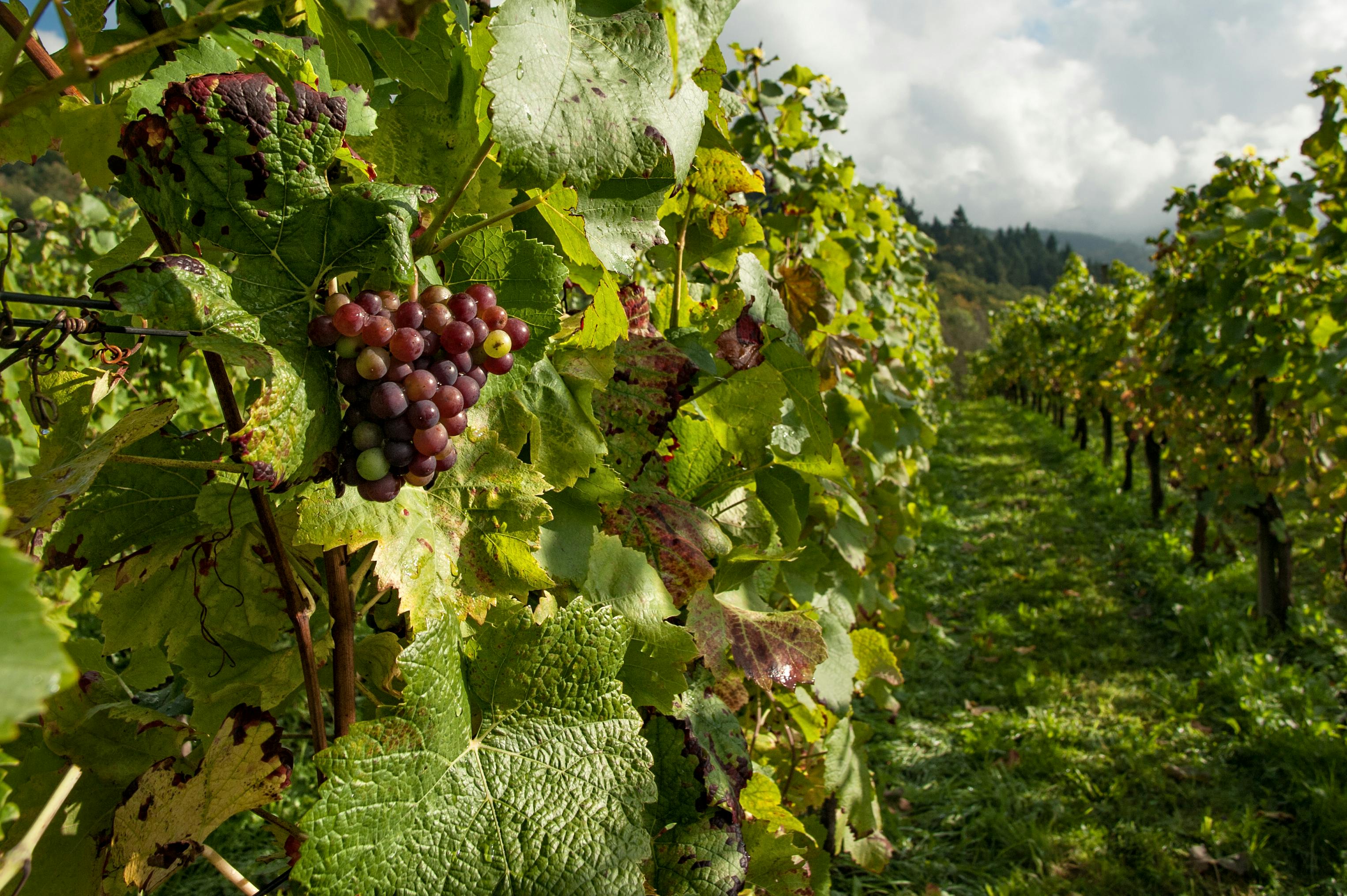
Organic farming is a method of growing crops and raising livestock without synthetic chemicals, pesticides, or genetically modified organisms. It helps maintain soil health, protects biodiversity, and produces healthier food for consumers.
2. Which crops can be grown using organic farming methods?
A wide variety of crops can be cultivated organically, including fruits, vegetables, grains, pulses, and herbs. Organic farming emphasizes natural growth cycles and sustainable soil management.
3. How does organic farming benefit the environment?
By avoiding synthetic fertilizers and pesticides, organic farming reduces water and soil pollution, promotes biodiversity, and decreases carbon footprint, contributing to a cleaner and safer environment.
4. What types of services are offered under organic farming services?
Services typically include soil testing and preparation, organic seed selection, natural pest management, crop rotation planning, composting solutions, and training for sustainable farming practices.
5. How long does it take to convert land to organic farming?
The conversion process usually takes 2 to 3 years, during which farmers follow organic protocols, improve soil fertility naturally, and eliminate synthetic chemicals from the land.
6. Are organic farming services suitable for small-scale farmers?
Yes, these services are designed to support both small and large-scale farmers by providing guidance, resources, and techniques tailored to the farm’s size and type of crops.
7. Can organic farming improve crop yield?
While organic farming may initially have a lower yield compared to conventional methods, long-term soil health improvement and pest resistance often lead to stable or increased yields over time.
8. How is pest control managed in organic farming?
Pest control relies on natural methods, including biological predators, neem-based sprays, crop rotation, companion planting, and organic composts to maintain healthy crops without chemicals.
9. Is certification required for organic farming?
Yes, organic certification verifies that farming practices meet government or international organic standards. Certification helps farmers market their produce as genuinely organic.
10. How can farmers start using organic farming services?
Farmers can start by consulting organic farming experts, conducting soil analysis, choosing certified organic seeds, and following structured guidance for sustainable practices tailored to their farm’s needs.
Search
Related Posts
-
 Miasto: Chitradurga
 -
 Miasto: Bangalore
 -
 Miasto: Bangalore
 -
 Miasto: Bangalore
 -
 Miasto: Bangalore
 -
 Miasto: Bangalore
 -
 Miasto: Bangalore
 -
.jpg) Miasto: Bangalore
Miasto: Bangalore -
 Miasto: Bangalore
 -
 Miasto: Bangalore
 -
 Miasto: Bangalore
 -
 Miasto: Bangalore